








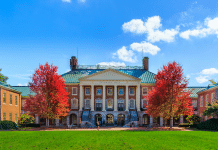



Toronto General Hospital is Canada’s best hospital for 2027, scoring 90.02% in Newsweek and Statista’s World’s Best Hospitals 2027 ranking. Mount Sinai Hospital (86.31%) and Sunnybrook Health Sciences Centre (84.96%) follow, and all three are in Toronto. Canada’s system is known for high-quality patient care, innovation, and compassionate service.
Newsweek and Statista rank hospitals on four factors: quality metrics from public data (40%), peer recommendations from medical professionals (30% national, 5% international), patient experience surveys (18.5%), and patient-reported outcome measures (6.5%). The 2026 edition covers 32 countries and more than 2,500 hospitals; see the official 2026 methodology. The scores below are from Newsweek‘s Canada list. For how University Magazine builds its own rankings, read our rankings methodology. Where you live also matters, so see the cities with Canada’s best quality of life.
The Best Hospitals In Canada 2027
1. Toronto General Hospital

Toronto General Hospital is the flagship of University Health Network and scored 90.02% to lead Newsweek and Statista’s 2026 Canada list. Its roots reach back to a shed used by the British Army during the War of 1812, and it became a permanent institution, York General Hospital, in 1829. Today it has 471 beds at 200 Elizabeth Street in downtown Toronto.
Transplants are its signature. In 2017, it was North America’s largest organ transplant centre, with 639 transplants, and its lung transplant program was the world’s largest, with 167. Insulin was first used clinically for diabetes here in 1922, and the first successful single lung transplant came in 1983, followed by the first double lung transplant in 1986. It teaches at the University of Toronto.
2. Mount Sinai Hospital
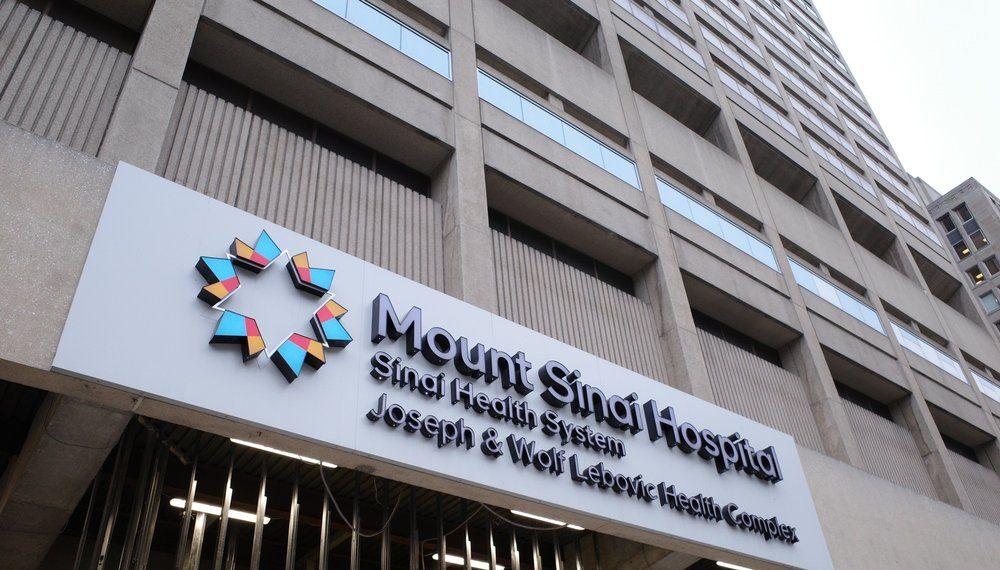
Mount Sinai Hospital scored 86.31% and sits at 600 University Avenue, where it has been since 1953. It opened in 1923 as the Hebrew Maternity and Convalescent Hospital and was renamed Mount Sinai in 1924. It has 442 beds and became part of Sinai Health in 2015 after joining with Hennick Bridgepoint Hospital.
The hospital delivered almost 7,000 babies in the fiscal year ending March 2013. The Lunenfeld-Tanenbaum Research Institute, founded in 1985, has more than 600 staff, and many researchers hold University of Toronto appointments. Mount Sinai is linked by bridges and tunnels to three University Health Network hospitals, and in 2019-20 it recorded nearly 29,000 inpatient stays and about 59,700 emergency visits.
3. Sunnybrook Health Sciences Centre

Sunnybrook Health Sciences Centre scored 84.96%. It opened in 1948 as Sunnybrook Military Hospital and now has 1,325 beds, including bassinets, on Bayview Avenue in North York. It is a Level I trauma centre, described as Canada’s largest, and is fully affiliated with the University of Toronto.
The Odette Cancer Program treats many cancer types, and the hospital runs Canada’s largest veterans care facility, caring for about 500 World War II and Korean War veterans. In 2015, it performed the first non-invasive opening of the blood-brain barrier, and in January 2020, it isolated Canada’s first confirmed COVID-19 case. The Holland Centre handles orthopedic and arthritic care.
4. North York General Hospital

North York General Hospital scored 82.99% and serves North York and southern York Region, with a location at Leslie Street and Sheppard Avenue. Premier John Robarts dedicated it on March 15, 1968. It has 410 acute care beds and 192 long-term care beds, plus a Seniors’ Health Centre and a Reactivation Care Centre that opened on December 10, 2017.
Services include a cancer program covering breast, colon, prostate, gynecological, and urinary cancers, along with maternal and pediatric care, geriatrics, and mental health. It is a community academic hospital and one of three constituent hospitals of the Peters-Boyd Academy at the University of Toronto. In 2019-20, it recorded 28,091 inpatient stays and 118,800 emergency visits.
5. Montreal General Hospital
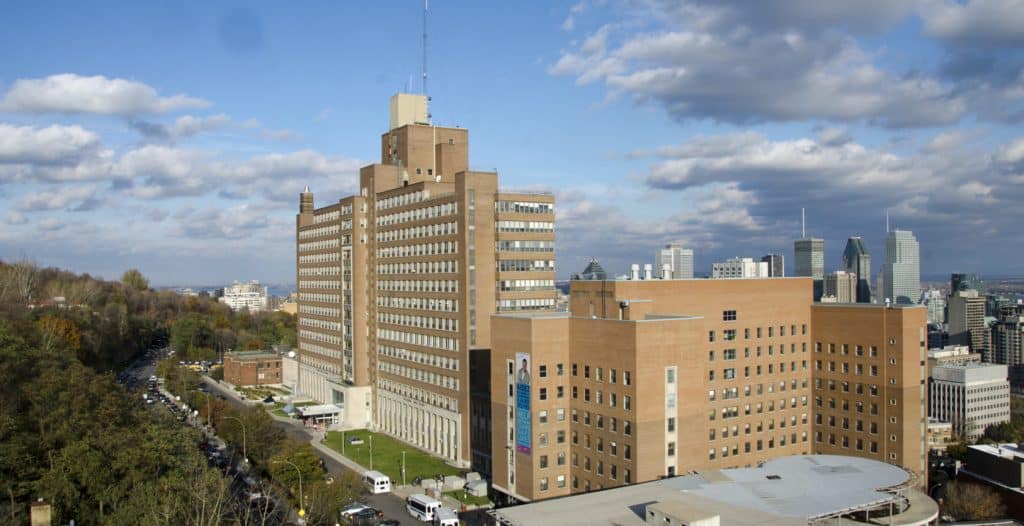
Montreal General Hospital scored 82.89%and ranked highest in Quebec. It dates back to 1822 and has stood at 1650 Cedar Avenue, at the foot of Mount Royal, since 1955. It joined the McGill University Health Centre in 1997 and has 479 beds.
It is a Level I trauma centre, one of three in Quebec and the only one in downtown Montreal. McGill affiliation dates to 1832. In 1968, Phil Gold and Samuel Freedman co-discovered carcinoembryonic antigen here, leading to a cancer blood test. Albert Moll also pioneered day treatment for psychiatric patients at the hospital.
6. St. Michael’s Hospital

St. Michael’s Hospital scored 82.48%. The Sisters of St. Joseph founded it in 1892 to care for the sick and poor in Toronto’s inner city, and it is located at 30 Bond Street. It has 463 inpatient beds and joined Unity Health Toronto on August 1, 2017.
It is a Level I adult trauma centre, one of two in Greater Toronto, with strengths in cardiac care, neurosurgery, and inner-city health. The Li Ka Shing Knowledge Institute opened on October 18, 2011, to join research and education. The hospital has had a formal agreement with the University of Toronto Faculty of Medicine since 1920.
7. Toronto Western Hospital
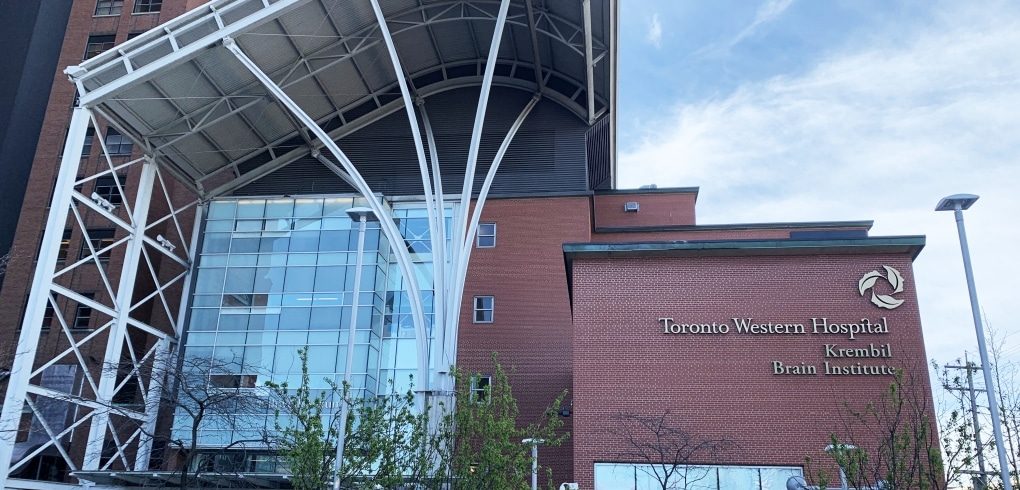
Toronto Western Hospital scored 80.13%. Founded in 1895, it stands at 399 Bathurst Street as part of University Health Network and has 256 beds. It focuses on neuroscience, musculoskeletal health and arthritis, vision science, and population health.
The Krembil Discovery Tower houses the Krembil Research Institute, and the Donald K. Johnson Eye Centre is based here. It was one of the first Canadian centres to use the gamma knife, and it sees about 46,000 emergency visits a year. A new 15-story patient care tower is scheduled to be completed in 2028. It is a University of Toronto teaching hospital. Sophie, Duchess of Edinburgh, is its royal patron.
8. Jewish General Hospital

Jewish General Hospital scored 80.12%. Built in 1931-32 and founded in 1934, the Sir Mortimer B. Davis Jewish General Hospital has 637 beds at 3755 chemin de la Côte-Sainte-Catherine in Montreal. It is an acute-care teaching hospital affiliated with McGill University, and its emergency department is a Level II trauma centre.
The Lady Davis Institute, founded in 1969, is its research arm and has nearly 200 researchers. It includes the Segal Cancer Centre research program. The hospital opened Pavilion E in 2005, Pavilion K in 2014, and a $430 million expansion and renovation opened a new pavilion in 2016. Newsweek ranked it fourth in Canada in 2019.
9. Vancouver General Hospital
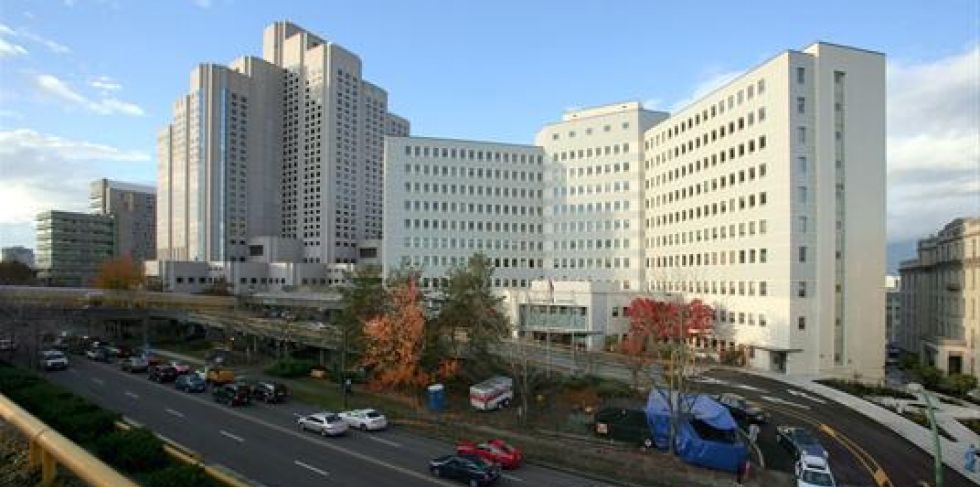
Vancouver General Hospital scored 80.11%. It began as a nine-bed tent hospital opened by the Canadian Pacific Railway in 1886 and was renamed Vancouver General in 1902. Today it has more than 1,000 beds at 899 West 12th Avenue and runs under Vancouver Coastal Health.
VGH is a Level I trauma centre with quaternary-level trauma care. Specialties include bone marrow transplant and leukemia, burns and plastics, epilepsy surgery, organ transplant, and spinal cord injury care. It is a teaching hospital of the UBC Faculty of Medicine, and the Gordon and Leslie Diamond Health Care Centre has teaching space for about 250 medical students and 500 residents.
10. Centre hospitalier de l’Université de Montréal

Centre hospitalier de l’Université de Montréal scored 80.08%. It was formed in 1995 through the merger of Hôtel-Dieu de Montréal, Hôpital Notre-Dame, and Hôpital Saint-Luc. Hospital operations moved into a new complex at 1051 Sanguinet Street, which opened to patients on October 8, 2017.
It is described as one of Canada’s largest hospitals and admits more than 500,000 patients a year. Founded in 1645, Hôtel-Dieu is described as Canada’s second-oldest healthcare institution. The hospital is a Level II trauma centre and is affiliated with the French-language Université de Montréal. Its research centre opened in 2013 as the first phase of construction.
11. Royal Victoria Hospital
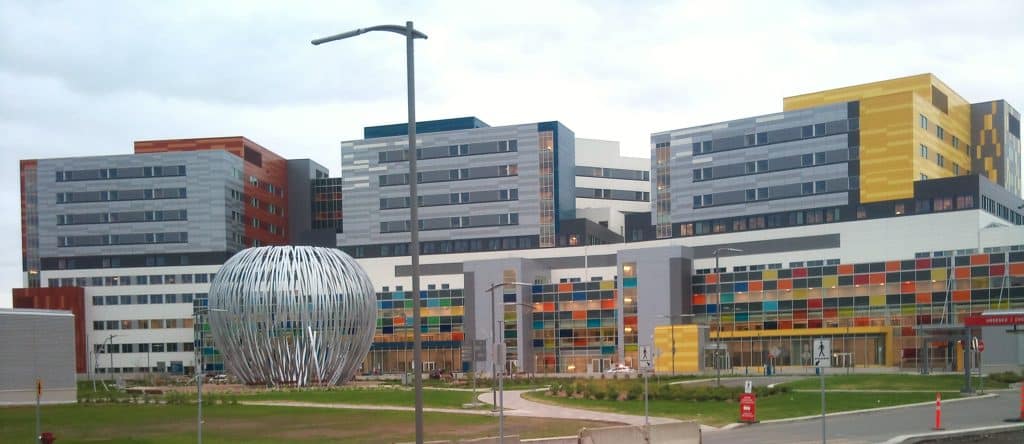
Royal Victoria Hospital scored 78.11%. Cousins Donald Smith (Lord Strathcona) and George Stephen (Lord Mount Stephen) funded it, and it opened in 1893. Major operations moved to the Glen site at 1001 Décarie Boulevard on April 26, 2015, and it has been part of the McGill University Health Centre since the 1997 merger.
Its history includes the first kidney transplant in the Commonwealth in 1958 and the first penicillin injection into a patient in 1940, by Martin Henry Dawson. McGill’s Faculty of Medicine became a medical research institute in 1920. The Allan Memorial Institute, which houses psychiatry, sits near the original site.
12. The Ottawa Hospital

The Ottawa Hospital scored 77.69%. It formed on April 1, 1998, when Grace Hospital, Ottawa Riverside Hospital, Ottawa General Hospital, and Ottawa Civic Hospital merged. With 1,117 beds, it is affiliated with the University of Ottawa, and its three main campuses are non-profit public teaching hospitals.
The Civic campus houses the adult Level I trauma centre, one of two serving Eastern Ontario and southern Quebec, and the University of Ottawa Heart Institute. The General campus has the Ottawa Hospital Cancer Centre. At Riverside, the Kidney Research Centre, established in 2000, was Canada’s first facility dedicated to kidney research. The Ottawa Hospital Research Institute has more than 2,000 people.
13. McMaster University Medical Centre
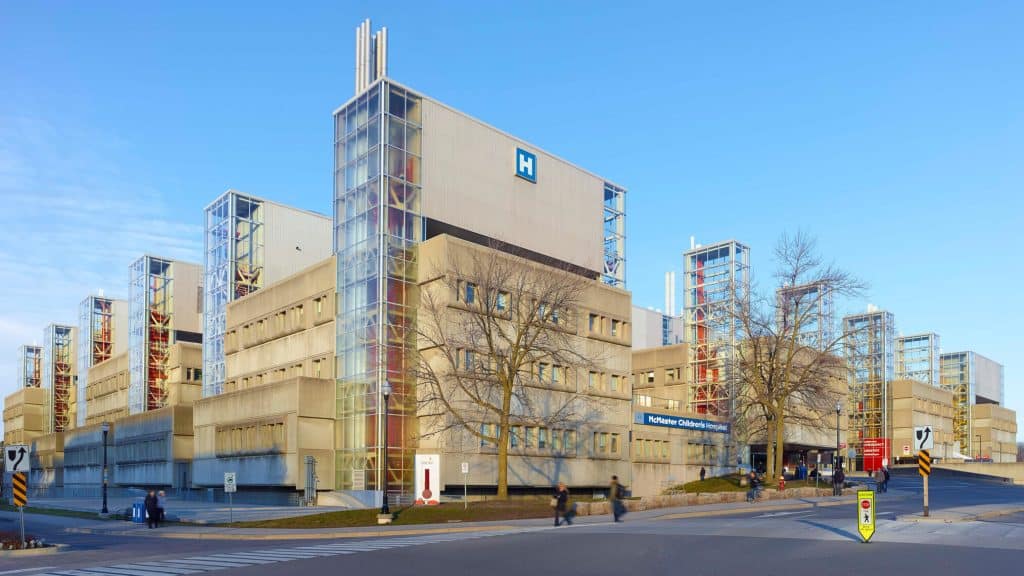
McMaster University Medical Centre scored 75.78% and is run by Hamilton Health Sciences. It shares its site with McMaster Children’s Hospital and has 365 beds. It is a teaching and specialist hospital and McMaster University’s largest facility.
Programs include high-risk obstetrics and gynecology, women’s health, and a digestive disease program. Research Infosource ranked it second in Canada. The Ontario Association of Architects designated the brutalist building, designed by Eb Zeidler, a landmark in 2014. It has a helipad for patient transfers. The building opened in 1969, and the shared site includes a pediatric emergency department through McMaster Children’s Hospital.
14. Foothills Medical Centre
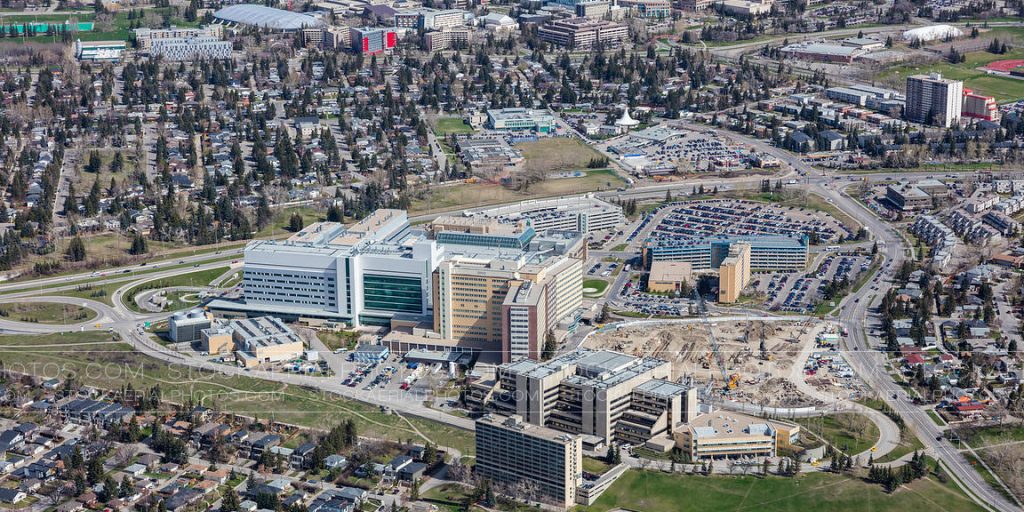
Foothills Medical Centre scored 75.75%. The main building opened in June 1966 as Foothills Provincial General Hospital with 766 beds, and it now has more than 1,100. Alberta Health Services runs it, and it is the lead trauma centre for Southern Alberta.
Its programs include the Arthur J.E. Child Comprehensive Cancer Centre, the head office of the Libin Cardiovascular Institute of Alberta, the Grace Women’s Health Centre, and transplant services. The Cumming School of Medicine and the Hotchkiss Brain Institute are on site. In 2010, the Calgary Stroke Program was named one of two leading stroke centres in Canada.
15. Saskatoon City Hospital
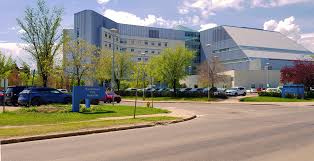
Saskatoon City Hospital scored 75.74%. The original hospital opened in 1909 as Canada’s second municipal hospital, and the current building opened in 1993 in the City Park neighbourhood. It is a public community hospital run by the Saskatchewan Health Authority.
In March 2025, the province announced $15 million in new funding to add 109 acute care beds. The hospital is near Royal University Hospital and a short drive from St. Paul’s Hospital in Saskatoon. It is the city’s only general hospital without a 24-hour emergency room, so it complements the larger centres.
16. Rockyview General Hospital

Rockyview General Hospital scored 75.55%. It opened in 1966 and sits at 7007 14 Street SW on the shore of the Glenmore Reservoir. Alberta Health Services operates it, and it has more than 650 beds after a 2008 expansion that added 100 inpatient beds.
It is recognized as a leader in Canadian urological care and offers a 24-hour emergency department, intensive care, day surgery, maternal-newborn care, and mental health services. The Lions Eye Bank recovers donated eye tissue for corneal transplants. It has 19 listed clinics, including cardiology, orthopedics, and ophthalmology, and a helipad.
17. UBC Hospital
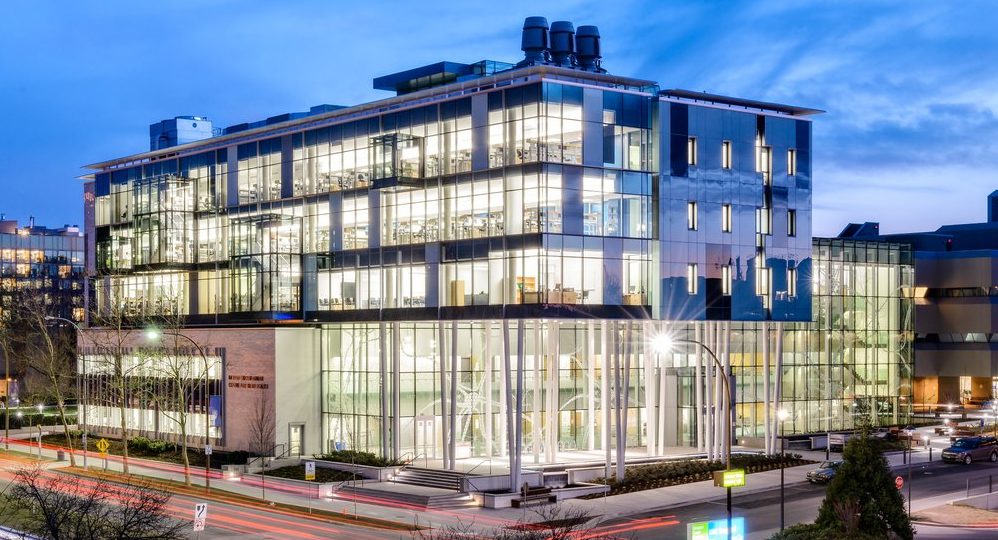
UBC Hospital scored 73.72%. It opened in 1968 on the UBC Vancouver campus, runs under Vancouver Coastal Health, and has 332 beds. Services include acute medicine, general surgery, reconstructive orthopedic surgery, psychiatry, and gerontology.
The Djavad Mowafaghian Centre for Brain Health, a 135,000-square-foot building next to the hospital, opened in 2013 to bring together researchers and clinicians in neurology, neuroscience, and psychiatry. The Centre for Surgical Innovation, opened in April 2006, performs about 1,600 hip and knee replacements a year. The Urgent Care Centre handles about 18,650 visits a year. It is a teaching hospital affiliated with the UBC Faculty of Medicine, and the campus includes the Brain Research Centre and the National Core for Neuroethics.
18. Peter Lougheed Centre

Peter Lougheed Centre scored 72.94%. It opened in 1988 with 500 beds, now has more than 600, and is named for Peter Lougheed, Premier of Alberta from 1971 to 1985. The centre is at 3500 26 Ave NE in Calgary and is run by Alberta Health Services.
It offers 34 clinics, including cardiology, neurology, rheumatology, general surgery, oncology with hematology, and several psychiatric services, along with a 24-hour emergency department and an intensive care unit. The East Wing, completed in 2008, added 140 inpatient beds and a rooftop helipad. The building covers about 506,000 square feet. Alberta Health Services replaced the Calgary Health Region as its operator.
19. Royal Alexandra Hospital
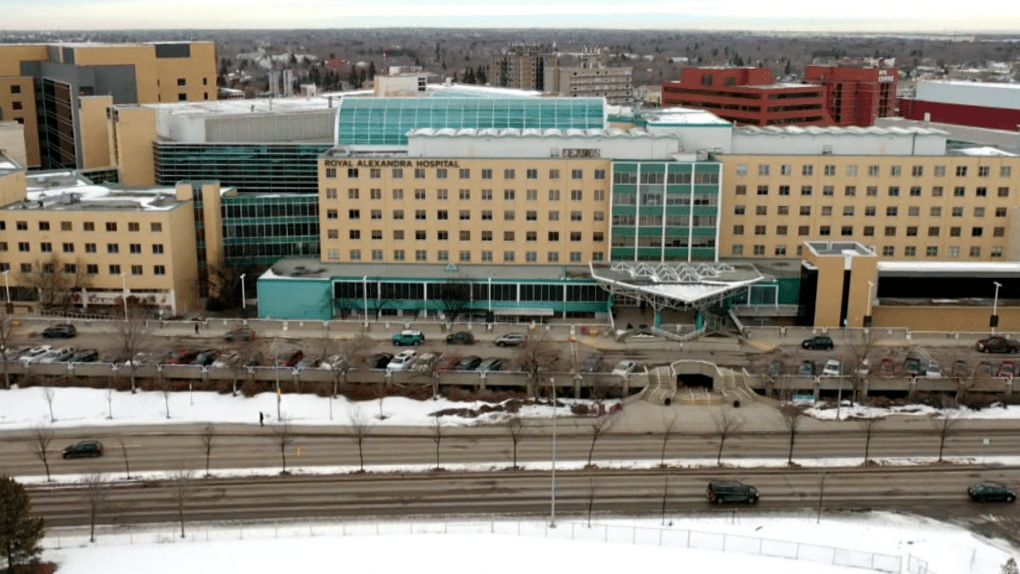
Royal Alexandra Hospital scored 72.93%. It opened in 1899 as the Edmonton General Hospital, designed for 25 patients, and King Edward VII granted the Royal prefix in 1907 in honour of Queen Alexandra. Today it has 869 beds at 10240 Kingsway NW.
Programs include the Eye Institute of Alberta, the C.K. Hui Heart Centre, the Lois Hole Hospital for Women (opened in 2010), and an Indigenous Health Program. In 2018, it opened North America’s first hospital-based supervised consumption site. Edmonton’s hospitals serve a growing region; see our look at Canada’s fastest-growing province.
20. Royal Jubilee Hospital

Royal Jubilee Hospital scored 72.88%. Founded in 1890 and named to commemorate Queen Victoria’s Golden Jubilee, the hospital and the surrounding neighbourhood share its name. A new patient care centre opened in early 2011, bringing capacity to 500 beds. Island Health runs it, and it focuses on cardiac medicine.
The Pemberton Memorial Operating Room, completed in 1896, is a rare octagonal brick operating room designated a National Historic Site in 2005. Begbie Hall, a former nurses’ residence, was designated in 1989, and Island Health removed the Begbie name from the building in 2021. Royal Jubilee was Victoria’s main hospital until 1983 and is affiliated with UBC.
21. Queensway Carleton Hospital
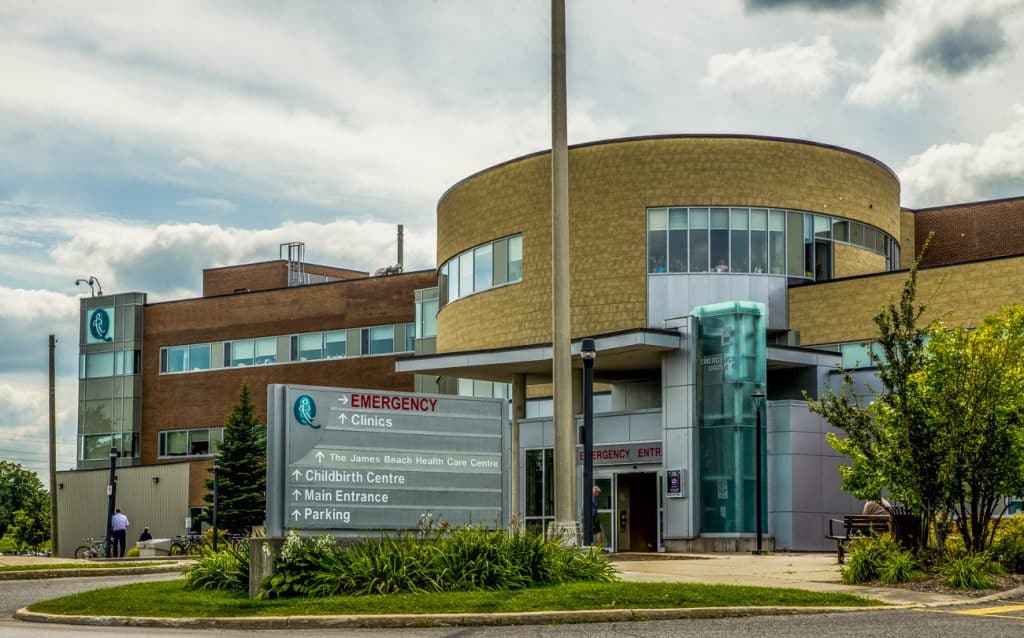
Queensway Carleton Hospital scored 72.86%. It officially opened on October 5, 1976, at 3045 Baseline Road and is the only full-service hospital in west Ottawa. It has 355 beds and offers emergency, childbirth, geriatric, mental health, rehabilitation, and critical care.
Its emergency department is the busiest single-site emergency department in Eastern Ontario, with almost 78,000 visits in 2017. The Irving Greenberg Family Cancer Centre opened on campus in 2010, and a 2012 expansion added 10 operating room suites and doubled the number of MRI and CT scanners. In 2015, it received Accreditation Canada’s highest award level, Accreditation with Exemplary Standing.
22. Queen Elizabeth II Health Sciences Centre
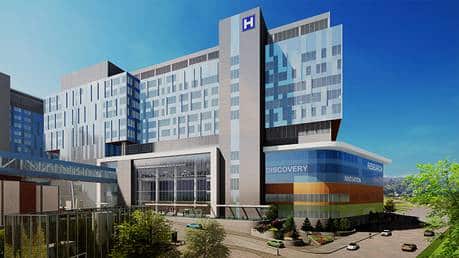
Queen Elizabeth II Health Sciences Centre scored 72.83%. It was created in 1994 by amalgamating four Halifax health-care centres: Victoria General Hospital, Camp Hill Medical Centre, the Cancer Treatment and Research Foundation, and the Nova Scotia Rehabilitation Centre. It sits at 1276 South Park Street.
The Halifax Infirmary has 450 beds, and the Charles V. Keating Emergency and Trauma Centre, which opened in June 2009, makes it a Level I trauma centre with a helipad. Services include the Nova Scotia Cancer Centre, mental health, veterans health, and rehabilitation. The QEII is a teaching hospital affiliated with the Dalhousie University Faculty of Medicine.
23. Lachine Hospital
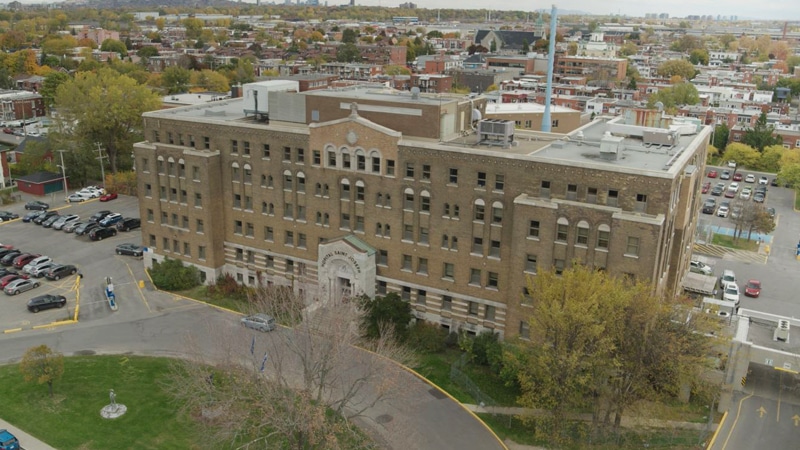
Lachine Hospital scored 72.81%. It opened in 1913 as Hôpital St-Joseph, run by the Sisters of Providence, and stands at 650 16th Avenue in Montreal’s Lachine borough. It joined the McGill University Health Centre in 2008.
It was renamed Centre hospitalier de Lachine in 1973. Services include geriatrics, bariatric surgery, ophthalmology, cardiology, general surgery, and medical imaging, and it has an emergency department. A $220 million modernization project, HOP Lachine!, is scheduled for completion between 2026 and 2027. It teaches for McGill’s Faculty of Medicine. The Camille-Lefebvre long-term nursing home pavilion joined the MUHC network in 2008.
24. CHU de Québec-Université Laval

CHU de Québec-Université Laval scored 72.76%. It was created in December 1995 by merging three hospitals, and its sites include Hôtel-Dieu de Québec, Hôpital Saint-François d’Assise, and the Centre hospitalier de l’Université Laval (CHUL). It is Quebec City’s largest institutional employer.
Hôtel-Dieu de Québec is a Level II adult trauma centre, and CHUL is a Level I pediatric trauma centre. The CHU de Québec Research Center houses a Biosafety Level 3 laboratory for human and animal pathogens. Staff include 672 specialist doctors, 237 family doctors, and 2,659 nurses, and it is a teaching network affiliated with the Université Laval medical school.
25. Victoria General Hospital
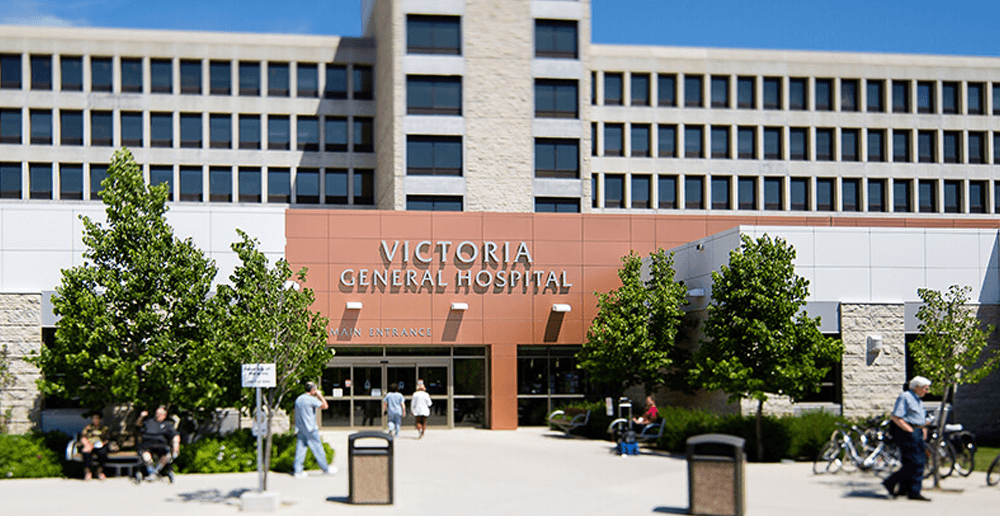
Victoria General Hospital scored 72.75%. The current hospital was built in 1983 in View Royal, a western suburb of Victoria. It replaced the original St. Joseph’s Hospital, founded in 1875, and has 344 acute care beds, 30 neuro-rehabilitation beds, and 40 geriatric ward beds.
It is one of two acute-care hospitals on southern Vancouver Island, along with Royal Jubilee, and the only one of the two that provides maternity services. The emergency department is listed as a Level II trauma centre. It has a helipad and is a teaching hospital for UBC’s Department of Orthopedic Surgery. The Victoria Hospitals Foundation supports it.
26. Grey Nuns Community Hospital
Grey Nuns Community Hospital scored 72.72%. It opened in 1988 at 1100 Youville Drive West in Edmonton’s Mill Woods area and has 363 beds. Covenant Health runs it, and it has a Roman Catholic affiliation and a link to the University of Alberta.
The hospital traces its roots to the Grey Nuns of Montreal, who sent three members to the Edmonton area in 1859. Services include general and vascular surgery, intensive and cardiac care, women’s health, mental health, and a 14-bed tertiary palliative care unit. It has a 24-hour emergency department and a helipad, and Dr. Lorne Warneke opened Canada’s first gender identity clinic here in 1996.
27. Southlake Health
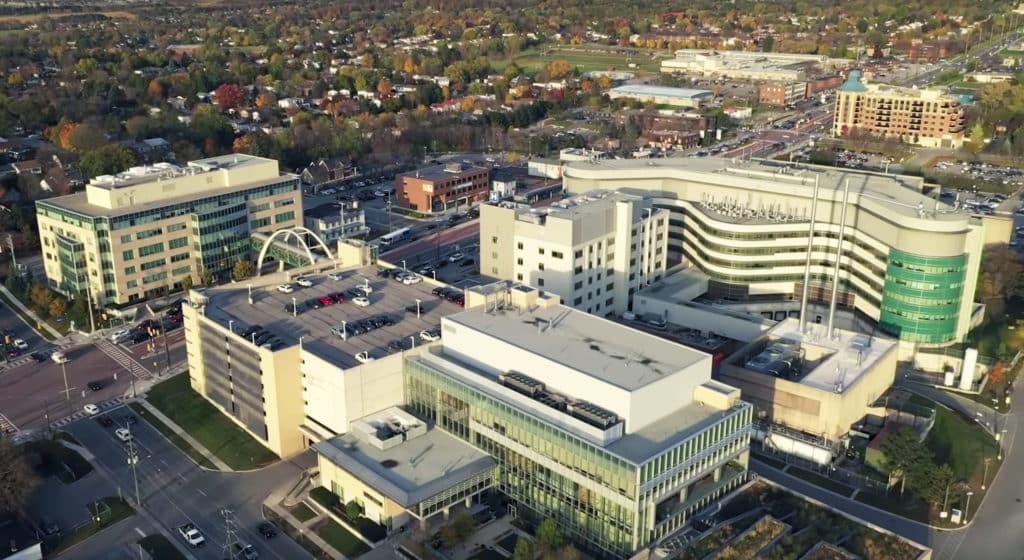
Southlake Health scored 72.68%. It began on August 22, 1922, as York County Hospital, became a public hospital in 1924, and became Southlake Regional Health Centre in 1998. The campus is at 596 Davis Drive in Newmarket.
It is a full-service hospital with a regional focus on advanced cardiac, cancer, and thoracic care. It receives more than 90,000 emergency visits each year. Southlake employs over 3,000 people, including more than 540 physicians, and has 900 volunteers. It has teaching and research ties to the University of Toronto, York University, and McMaster University. The public hospital completed its building in 1927, and Greater Toronto named it one of its Top 100 Employers in October 2015.
28. St. Joseph’s Healthcare Hamilton
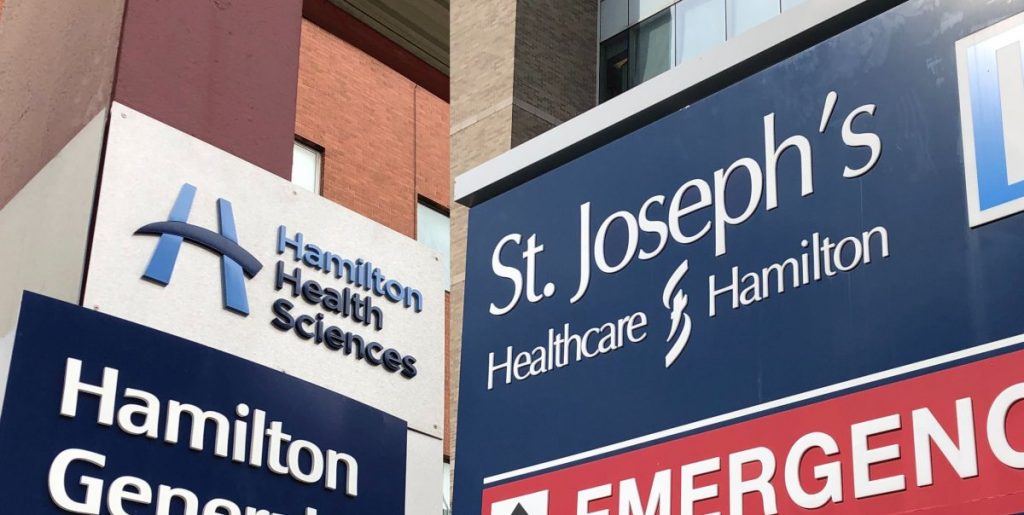
St. Joseph’s Healthcare Hamilton scored 72.64%. Founded in 1852 as St. Joseph’s Hospital, a name it used until 2000, it now has 777 beds across three Hamilton locations: Charlton, West 5th, and King. It is a teaching hospital affiliated with McMaster’s Michael G. DeGroote School of Medicine.
The Charlton Campus houses the Firestone Institute for Respiratory Health. The West 5th Campus, the Margaret and Charles Juravinski Centre for Integrated Healthcare, provides tertiary mental health and addictions services for Central South Ontario. The hospital is also the regional kidney transplant centre for about 1.2 million people. Its King Campus includes a satellite dialysis clinic and is part of the St. Joseph’s Health System.
29. The Credit Valley Hospital

The Credit Valley Hospital scored 72.60%. It opened on November 5, 1985, at 2200 Eglinton Avenue West in Mississauga, serves north Mississauga, and is part of Trillium Health Partners. It has 382 beds and a ground-level helipad.
The Carlo Fidani Peel Regional Cancer Centre offers chemotherapy and radiation treatment with six linear accelerators across a catchment of 1.6 million people. The hospital also provides renal dialysis and a regional maternal child care program. A 2012 Canadian Institute for Health Information study ranked it the best hospital in the Greater Toronto Area, and it teaches for the Mississauga Academy of Medicine.
30. St. Paul’s Hospital
St. Paul’s Hospital scored 72.52%. Founded in 1894 by the Sisters of Providence at 1081 Burrard Street in downtown Vancouver, it is the oldest of the 18 facilities Providence Health Care operates. It is faith-based but treats patients of any faith.
Cardiac care includes an advanced structural heart disease program and the Pacific Adult Congenital Heart Clinic, and the hospital hosts North America’s largest addiction fellowship program. It is a UBC teaching hospital and home to the Centre for Heart Lung Innovation. Services are moving to a new False Creek Flats site, expected to open in 2027. In 2010, it set up Angel’s Cradle, Canada’s first modern baby hatch.
Frequently Asked Questions
What is the best hospital in Canada?
Toronto General Hospital, part of University Health Network in Toronto, ranks as Canada’s top hospital in Newsweek and Statista’s World’s Best Hospitals 2026 ranking, with a score of 90.02%. Mount Sinai Hospital (86.31%) and Sunnybrook Health Sciences Centre (84.96%) follow.
How does Newsweek rank the best hospitals?
Newsweek and Statista weight hospital quality metrics at 40%, peer recommendations at 30% nationally and 5% internationally, patient experience at 18.5%, and implementation of patient-reported outcome measures at 6.5%. The 2026 edition covers 32 countries and more than 2,500 hospitals.
Which province has the most hospitals on this list?
Ontario has the most, with 12 of the 30 hospitals. Quebec has six, British Columbia and Alberta have five each, and Saskatchewan and Nova Scotia have one each.
Which Canadian hospitals on this list have the most beds?
Sunnybrook Health Sciences Centre has 1,325 beds, including bassinets; The Ottawa Hospital has 1,117; Foothills Medical Centre has more than 1,100; and Vancouver General Hospital has more than 1,000.
Which hospitals on this list are Level I trauma centres?
Sunnybrook, St. Michael’s, Montreal General, Vancouver General, the Civic campus of The Ottawa Hospital, and the QEII in Halifax are Level I trauma centres, and CHUL in Quebec City is a Level I pediatric trauma centre.
Which hospitals on this list have Catholic roots?
St. Michael’s Hospital was founded by the Sisters of St. Joseph, St. Paul’s Hospital in Vancouver by the Sisters of Providence, and Grey Nuns Community Hospital in Edmonton by the Grey Nuns, and all are faith-based in origin.
Top 30 Best Colleges in Canada 2027: Ranked List
- Toronto General Hospital
- Mount Sinai Hospital
- Sunnybrook Health Sciences Centre
- North York General Hospital
- Montreal General Hospital
- St. Michael’s Hospital
- Toronto Western Hospital
- Jewish General Hospital
- Vancouver General Hospital
- Centre hospitalier de l’Université de Montréal
- Royal Victoria Hospital
- The Ottawa Hospital
- McMaster University Medical Centre
- Foothills Medical Centre
- Saskatoon City Hospital
- Rockyview General Hospital
- UBC Hospital
- Peter Lougheed Centre
- Royal Alexandra Hospital
- Royal Jubilee Hospital
- Queensway Carleton Hospital
- Queen Elizabeth II Health Sciences Centre
- Lachine Hospital
- CHU de Québec-Université Laval
- Victoria General Hospital
- Grey Nuns Community Hospital
- Southlake Health
- St. Joseph’s Healthcare Hamilton
- The Credit Valley Hospital
- St. Paul’s Hospital










 University Magazine is part of the

