









Updated June 5, 2025
Canada’s education system is renowned for its quality, but significant regional disparities exist in post-secondary attainment. While provinces like Ontario and British Columbia boast high levels of education, other regions lag, particularly the northern territories and some Atlantic provinces.
Canada’s educational landscape is diverse, with regions showing varying levels of post-secondary attainment. While most Canadians between the ages of 25 and 64 have attended college or university, some provinces and territories lag in educational achievement. This article explores the least educated regions in Canada, focusing on the factors contributing to these trends.
Factors such as geographic isolation, economic dependence on industries that don’t require advanced education, and limited access to universities all play a role. This article will explore Canada’s least educated provinces and territories, examining the reasons behind these trends and the efforts to close the gap. According to Open Canada & Statistics Canada
What is the least Educated province in Canada?
8. Northwest Territories
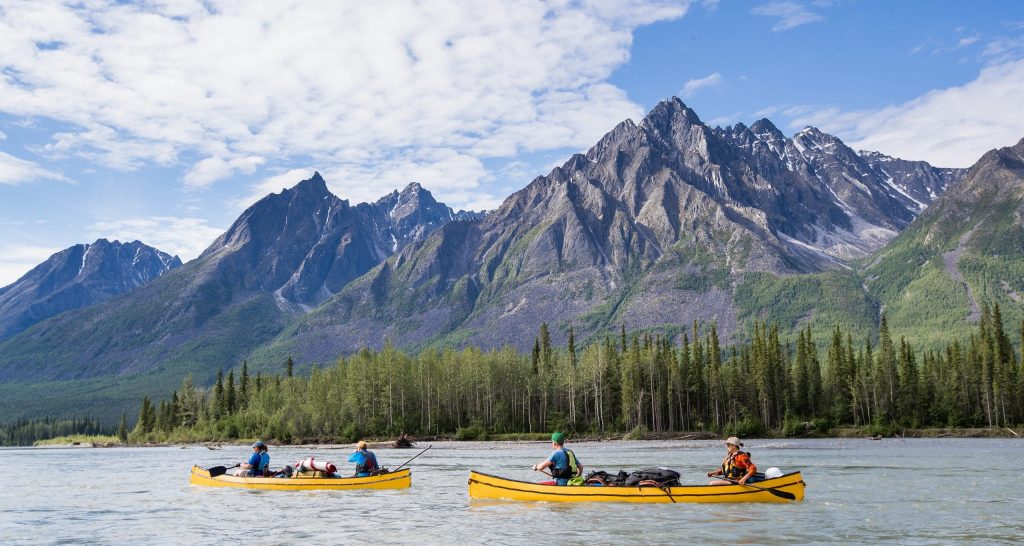
Like Yukon and Nunavut, the Northwest Territories face challenges accessing post-secondary education. The vast geographic distances and small population make it difficult for students to pursue higher education locally, and many leave the territory to study elsewhere. While initiatives have been introduced to encourage education, including scholarships and partnerships with southern institutions, the region still experiences one of Canada’s lowest post-secondary completion rates.
7. Yukon
Yukon’s small population and geographic isolation create barriers to post-secondary education. While many students pursue university degrees outside of the territory, efforts are being made to improve access to higher education through local programs. The territory faces challenges similar to those in other northern regions, such as high costs of living and limited local job opportunities that require advanced degrees. Despite these obstacles, recent improvements have been seen in educational attainment.
6. Saskatchewan

Saskatchewan’s economy is heavily driven by agriculture and resource industries, where formal education beyond high school is often unnecessary. As a result, the province has a lower percentage of residents with university degrees compared to the national average. While the province has respected post-secondary institutions, many young people leave to pursue education elsewhere. Efforts to expand educational programs and encourage higher education have been implemented, but challenges remain.
5. Manitoba
Manitoba’s post-secondary education rates are slightly below the national average, with many residents opting for vocational training or careers in agriculture, which may not require university degrees. Despite having several well-regarded universities, the province’s economic structure, which leans heavily on trades and skilled labour, influences educational trends. Manitoba is working to increase access to higher education, but it still lags behind other provinces regarding post-secondary completion rates.
4. Prince Edward Island
As Canada’s smallest province, Prince Edward Island faces unique challenges in educational attainment. Limited access to higher education institutions means many students leave the island to attend university elsewhere. While the province offers competitive programs, its smaller population and limited job opportunities requiring advanced degrees result in lower post-secondary completion rates. However, PEI has made strides in improving access and opportunities for local students.
3. New Brunswick
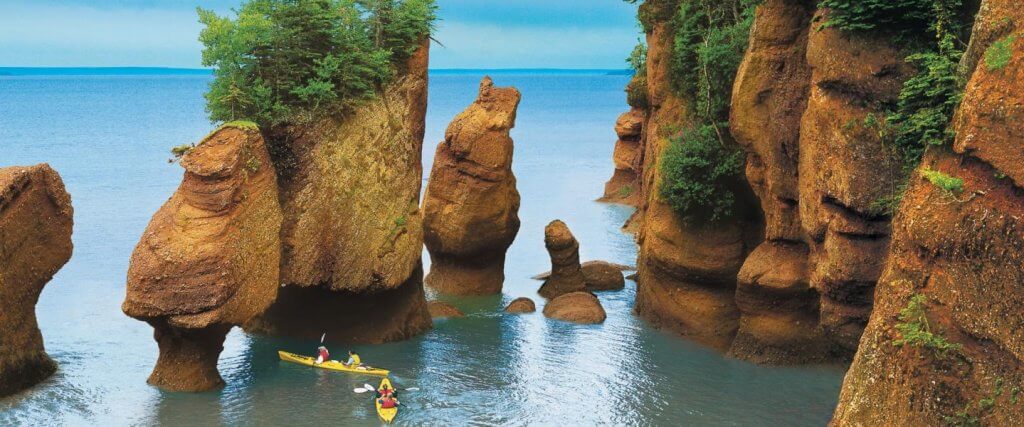
New Brunswick’s post-secondary education rates remain below the Canadian average. While the province offers several respected universities and colleges, many students leave for education in other provinces, resulting in a brain drain. The economic landscape, driven by industries that do not always require higher education, contributes to lower university graduate rates. Despite these challenges, the province has implemented initiatives to attract and retain educated professionals.
2. Newfoundland and Labrador
Newfoundland and Labrador have long experienced lower rates of post-secondary education. Historically, economic reliance on industries like fishing and oil has reduced the need for advanced education. Many students who leave the province for education don’t return, contributing to lower university graduation rates. In recent years, however, efforts to improve access to higher education and diversify the economy have begun to show positive trends in educational attainment.
1. Nunavut
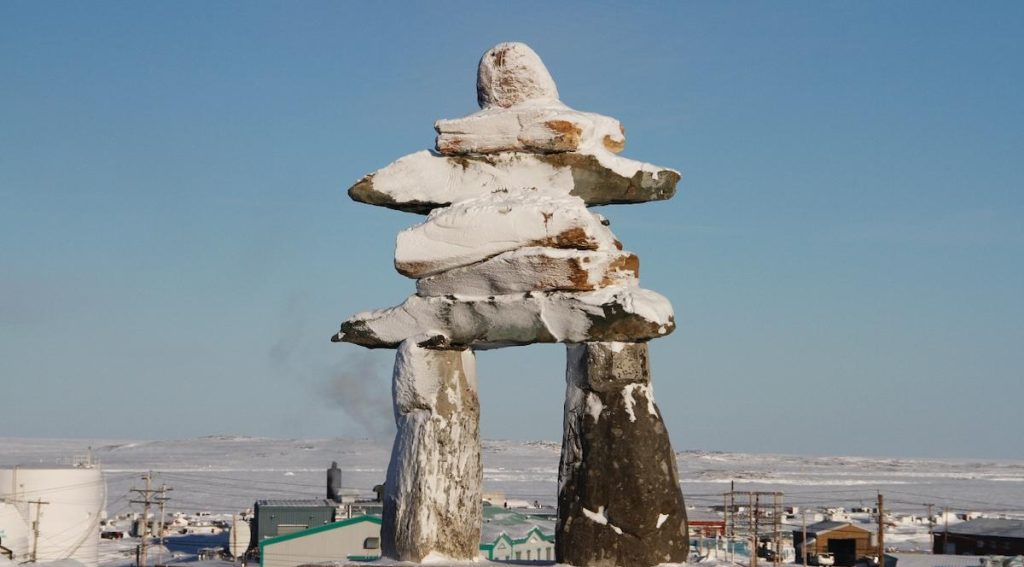
Nunavut has the lowest educational attainment in Canada, with a significant portion lacking post-secondary qualifications. Geographic isolation, limited access to universities, and socio-economic challenges have created barriers to higher education. Many young people leave the territory to pursue education elsewhere, and the high cost of living adds further complications. Initiatives to improve education are ongoing, but the region still faces challenges bridging the education gap compared to other provinces and territories.








 University Magazine is part of the

