





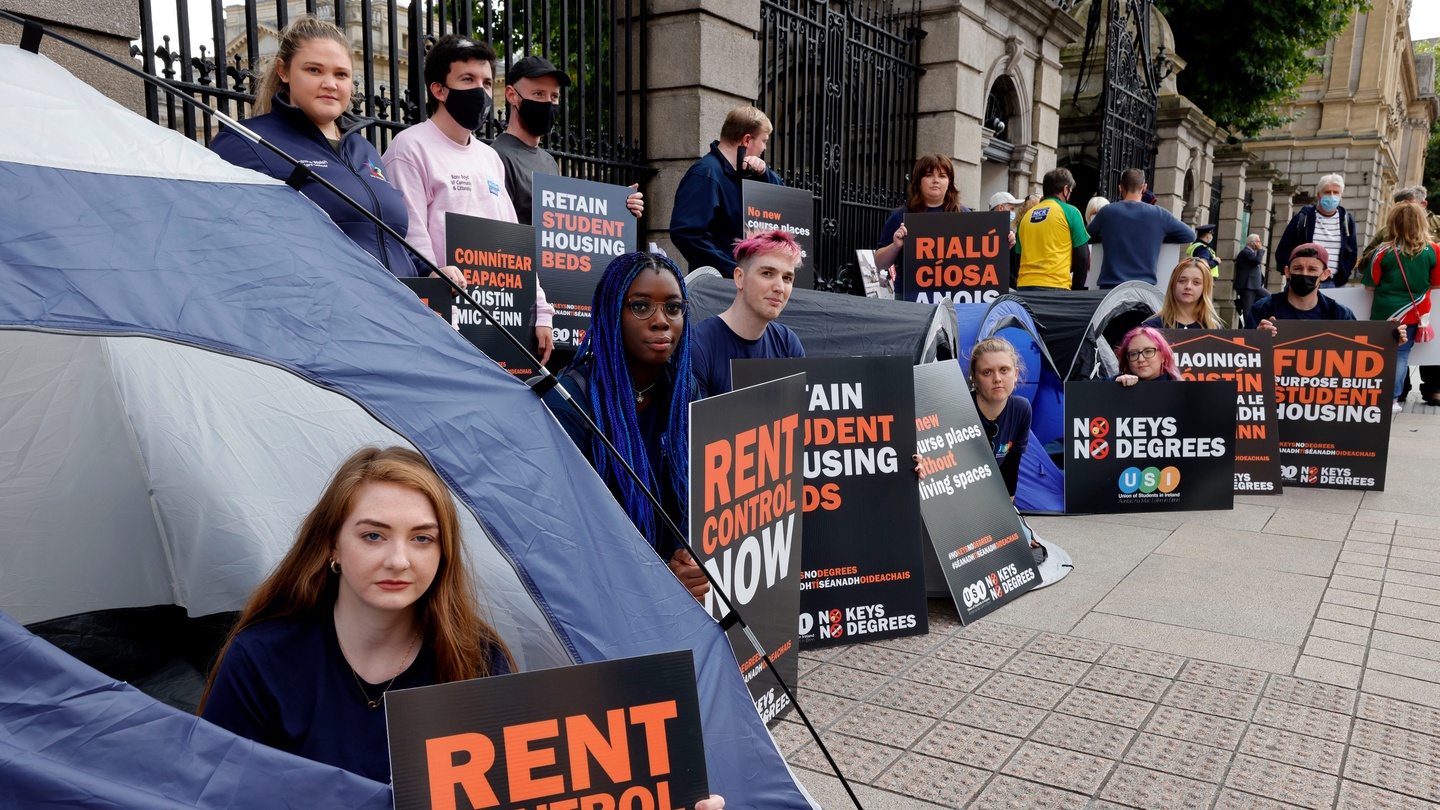
The global landscape of university living has reached a critical juncture in early 2026. Students in Canada, the United Kingdom, and the United States are facing a housing market defined by record-low vacancy rates and rapidly escalating rents. This crisis is no longer just a financial burden but a significant barrier to academic success and mental well-being.
As traditional on-campus residences fail to meet the overwhelming demand, new models of living and legislative interventions are becoming necessary. Understanding the current state of student accommodation is essential for any scholar planning their academic journey in this high-pressure environment.
The Student Housing Crisis
1. The Reality of Rising Rental Costs
Rental prices in major university hubs have reached unprecedented levels as we move through 2026. In cities like Toronto, London, and New York, the average cost of a one-bedroom apartment often exceeds a typical student’s monthly budget. This financial strain forces many individuals to seek housing far from campus, leading to long commutes that eat into valuable study time. A lack of supply and intense competition with the broader workforce drive constant upward price pressure. For most students, finding affordable housing has become a full-time job in itself.
2. Supply Gaps and High Occupancy Rates
A structural gap persists between the total number of students enrolled in higher education and the available beds in purpose-built housing. Occupancy rates in prime locations near major universities consistently exceed ninety-seven percent. This scarcity means that many properties are fully booked months before the academic year even begins. In the United Kingdom, data suggests that many students are left without secure housing as late as August. This supply shortage creates a stressful environment where students must commit to expensive leases without seeing the property in person.
3. The Growth of Purpose Built Accommodation
Purpose-built student accommodation, or PBSA, is emerging as a critical asset class to address the housing deficit. These developments are specifically designed for the student lifestyle, featuring high-speed internet, study lounges, and all-inclusive rent structures. Unlike traditional apartments, PBSA often offers flexible lease terms that align with the university calendar. Developers are increasingly focusing on these projects because they offer predictable cash flows and high demand. For students, these buildings provide a sense of community and security that is often missing in the private rental market.
4. Co-Living Pods and Shared Amenity Spaces
To maximize space and affordability, new housing models are focusing on co-living pods. These designs provide private sleeping quarters while encouraging social interaction through high-quality shared kitchens and living areas. This approach allows developers to house more students on a smaller footprint while keeping individual rent costs lower. These pods are often equipped with integrated technology for managing shared chores and community events. By prioritizing communal living, these spaces help combat the loneliness often experienced by international students moving to a new country.
5. Legislative Responses and Visa Caps
Governments are beginning to implement policy changes to mitigate the impact of the housing crisis on local communities. In Canada, federal caps on international student visas have been introduced to align enrollment numbers with available infrastructure. These measures aim to reduce the immediate pressure on the rental market but have also sparked debate about the long-term impact on university funding. Similar discussions are happening in the United Kingdom regarding student visa regulations and housing standards. Legislative intervention remains a complex and often controversial component of the broader housing strategy.
6. Discrimination and Tenant Rights Challenges
Many international students report facing significant hurdles when navigating the private rental market, including discrimination based on their status or background. Limited knowledge of local tenant rights can leave students vulnerable to unfair rent increases and unsafe living conditions. Universities and student unions are increasing their efforts to provide legal support and housing education. Understanding your rights as a tenant is crucial for protecting yourself against predatory landlords. Advocacy groups are calling for stronger enforcement of housing standards to ensure that all students have access to safe, dignified homes.
7. The Role of Universities as Housing Partners
Institutions are being urged to take a more active role in solving the housing crisis rather than relying solely on the private sector. Some universities are entering into public-private partnerships to build new residences on campus land. Others are repurposing old administrative buildings into modern student flats. By becoming direct providers of housing, universities can ensure that affordability and student welfare remain a priority. This shift reflects a growing recognition that a student cannot succeed academically if their basic need for shelter is not met.
8. Impact of Climate Change on Housing Choice
Environmental factors are increasingly influencing where students choose to live and how buildings are designed. The coolcation trend and a preference for sustainable living are driving demand for energy-efficient housing with better cooling systems. Students are increasingly seeking properties that use renewable energy and have robust recycling programs. Developers are responding by integrating green roofs, solar panels, and smart climate controls into new projects. Sustainable housing is becoming a major selling point for the environmentally conscious student body of 2026.
9. Technology and Digital Housing Platforms
Digital platforms and AI-driven search tools have transformed the process of finding and securing a home. Students can now take virtual reality tours of apartments and sign legally binding contracts from their home countries. These platforms often provide verified listings to help students avoid common rental scams. AI is also being used to match potential roommates based on lifestyle preferences and study habits. This technological integration makes the housing search more transparent and efficient for a generation that expects seamless digital experiences.
10. Financial Planning and Early Booking Strategies
In the current market, early planning is the most effective strategy for securing both value and availability. Financial experts suggest that students should begin their housing search at least six months before their courses start. This allows time to compare different neighborhoods and understand the full cost of living beyond just the headline rent figure. Budgeting for security deposits, utilities, and currency fluctuations is essential. By treating housing as a strategic part of the admission process, students can avoid the last-minute panic that often leads to poor financial decisions.
The student housing crisis of 2026 is a multifaceted challenge that requires a coordinated response from governments, universities, and private developers. While the search for an affordable home remains difficult, the rise of purpose-built accommodation and new co-living models offers a path forward. By staying informed about your rights and starting your search early, you can navigate this competitive market more effectively. Finding a stable, supportive place to live is the first step toward ensuring your university years are both productive and enjoyable.












 University Magazine is part of the

