











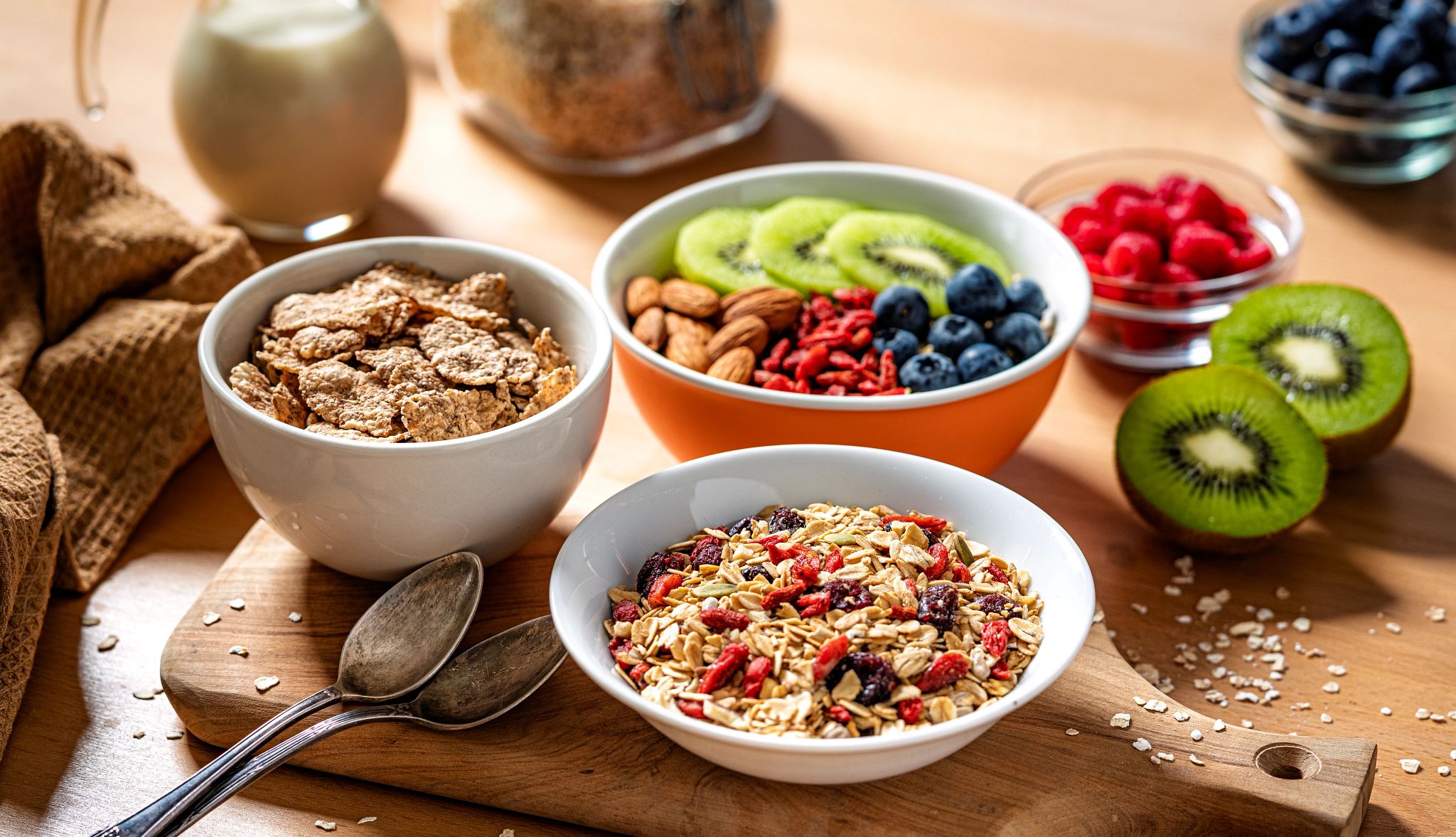
University students are constantly searching for ways to improve focus and sustain energy throughout long study sessions. The latest approach to academic performance does not involve caffeine or energy drinks. Instead, students are turning to gut health optimization through a trend called fibermaxxing.
This strategy focuses on consuming high volumes of dietary fiber to stabilize blood sugar, eliminate brain fog, and keep grocery bills incredibly low. Building a high fiber diet on a student budget is entirely possible with the right shopping strategy.
The Student Gut Health Revolution
1. Understand the Two Types of Fiber
Before going to the grocery store, it is essential to understand what you are buying. Soluble fiber dissolves in water to form a gel-like substance, which helps lower cholesterol and glucose levels. Insoluble fiber promotes the movement of material through your digestive system. A balanced student diet needs both to maximize energy and prevent the afternoon crash.
2. Stock Up on Legumes and Pulses
The absolute cheapest way to increase your fiber intake is by purchasing legumes. Canned black beans, chickpeas, and brown lentils cost less than two dollars per can and pack an incredible amount of dietary fiber and plant based protein. To save even more money, buy them dried in bulk. Soaking dried beans overnight requires zero active cooking time and drops the cost per serving to pennies.
3. Make Oats Your Default Breakfast
Cereals marketed to students are often expensive and loaded with refined sugars that cause immediate energy crashes. Rolled oats are the ultimate budget friendly alternative. A large canister of oats provides dozens of breakfasts for a fraction of the cost of boxed cereal. Oats are rich in a specific type of soluble fiber called beta glucan, which keeps you full well into your afternoon lectures.
4. Prioritize Frozen Fruits and Vegetables
Fresh berries and leafy greens perish quickly in unpredictable dorm room mini fridges. Frozen produce is the perfect solution for students. Frozen raspberries have one of the highest fiber counts of any fruit, and frozen chopped spinach can be easily hidden in pasta sauces or smoothies. Because they are flash frozen at peak ripeness, they retain all their nutritional value without the risk of spoiling before Friday.
5. Swap White Carbs for Complex Grains
You do not need to eliminate carbohydrates to improve your gut health. You just need to make smarter swaps. Replace standard white rice with brown rice or quinoa. Choose whole wheat bread or legume based pastas over refined white flour versions. These simple adjustments require no extra cooking skills but drastically increase your daily fiber total.
6. Maximize Dorm Room Storage
Buying in bulk is only effective if you can store the food properly. Invest in a set of airtight glass or hard plastic containers to keep pests out of your dried goods. Store items like chia seeds and flaxseeds in the fridge if you have space, as this extends their shelf life and preserves their natural oils.
Closing
Transitioning to a high fiber diet is one of the most cost effective ways to elevate both physical health and academic stamina. By prioritizing legumes, frozen produce, and whole grains, university students can drastically reduce their weekly food expenses while simultaneously building a sharper, more focused mind. The grocery store is the first stop for a successful semester








 University Magazine is part of the

