










Updated May 24, 2025
Canada’s universities are overcoming the climate challenge with bold sustainability goals and hands-on projects that blend research, operations and student involvement. From coast-to-coast solar arrays and geothermal systems to zero-waste campaigns and living laboratories, these institutions are transforming campus life into real-world tests of green technology.
They offer students more than degrees: they provide opportunities to design renewable solutions, shape policy and build partnerships with industry and community groups. The result is a new generation of graduates equipped to tackle environmental problems head-on.
The Greenest Universities in Canada 2025
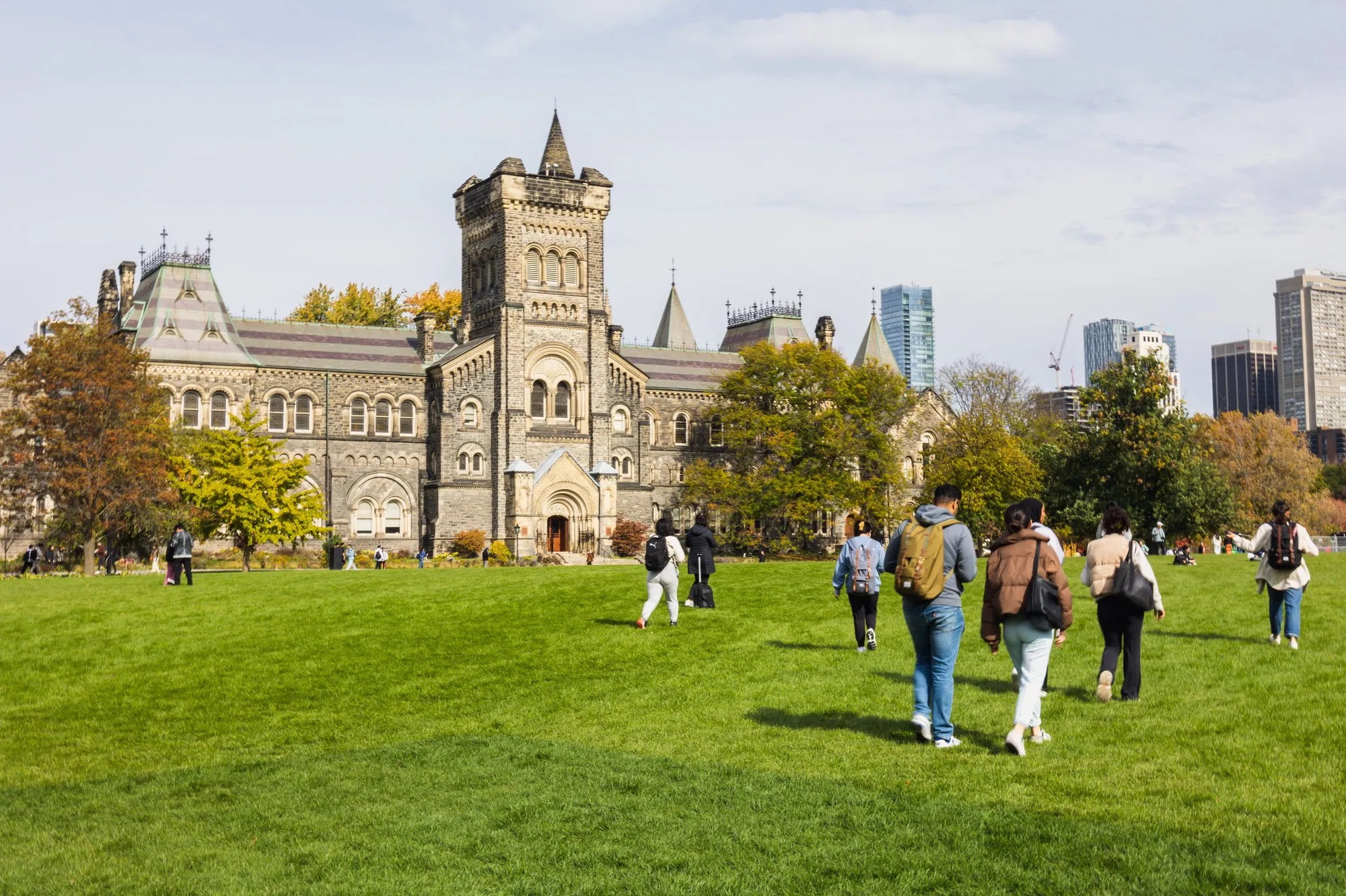
1. University of Toronto
The University of Toronto drives carbon-neutral operations with campus-wide renewable energy systems and funds cutting-edge research through its Climate Positive Energy initiative. Student researchers at SDGs@UofT develop scalable solutions for global warming, while the Carbon Budget Project tracks emissions in real time. Interdisciplinary sustainability internships immerse learners in practical environmental work, and partnerships with industry accelerate net-zero strategies. This integrated approach cements U of T’s role as a pioneer in eco-innovation, empowering graduates to lead the transition to a low-carbon future.
2. University of British Columbia
The University of British Columbia champions social equity and environmental stewardship through its Centre for Interactive Research on Sustainability and a LEED-certified campus of buildings. The Climate Action Plan targets carbon neutrality by 2050, while the Wood Innovation Research Lab explores low-carbon construction methods. Sustainability-themed co-op placements place students in real-world roles, and extensive biodiversity projects protect native ecosystems. UBC’s Living Laboratory model embeds research into operations, transforming daily campus life into a continual experiment in green innovation and community engagement.
3. McGill University
McGill University integrates sustainability across its curriculum via the School of Environment and interdisciplinary research centres focused on net-zero transitions. The Green Labs program slashes laboratory waste, and historic building retrofits boost energy efficiency. Student-led composting and bike-share schemes foster a culture of responsibility and reduce campus footprints. Collaborative research with municipal partners advances urban sustainability, and public lectures engage Montreal residents in eco-innovation. McGill’s holistic strategy aligns academic excellence with environmental action, preparing graduates to craft sustainable solutions worldwide.
4. Western University
Western University pursues zero-waste goals with its comprehensive Waste Strategy and Green Labs program, aiming to halve landfill contributions by 2025. Campus energy-efficient retrofits and a district heating system cut greenhouse gases, while the Centre for Environment and Sustainability drives research in renewable power and climate adaptation. Sustainability courses equip students with practical skills, and community projects extend green benefits beyond campus borders. Western’s integrated framework combines infrastructure upgrades, research excellence and experiential learning to solidify its status as a regional leader in environmental stewardship.
5. Dalhousie University
Dalhousie University earned a GOLD AASHE STARS rating through its College of Sustainability and commitment to global environmental pacts. A campus-wide energy audit led to LED lighting and optimized heating systems, while student-run eco-challenges inspire behavioural change. The President’s Advisory Council on Sustainability guides strategic climate action, and interdisciplinary degrees blend environmental science with policy. Dal’s Cleaner Production principles inform research in waste reduction, and the Office of Sustainability ensures continuous progress toward net-zero ambitions, positioning the university as an Atlantic hub for green leadership.
6. University of Waterloo
University of Waterloo’s Water Institute and School of Environment, Resources and Sustainability pioneer clean-water technologies while campus solar arrays and geothermal heating minimize carbon output. The sustainability co-op program places students in emerging green-tech firms, linking academic learning with industry innovation. A dedicated Plan Administrator ensures ongoing performance monitoring, and student initiatives promote waste diversion and tree-planting across campus grounds. Waterloo’s hands-on approach integrates research, operations and community partnership, fostering a dynamic environment where learners drive actionable sustainability outcomes.
7. Queen’s University
Queen’s University commits to net-zero emissions by 2050 through energy-efficient building upgrades and a campus biodiversity strategy. Its Sustainable Queen’s Action Plan outlines waste-diversion targets and green procurement policies, while the Centre for Business Venturing supports cleantech startups led by student entrepreneurs. Campus dining prioritizes local sourcing, reducing food miles and supporting regional farmers. Annual Sustainability Week showcases eco-innovation projects, cultivating a culture of environmental leadership among students and staff and reinforcing Queen’s reputation as a crucible for green entrepreneurship.
8. University of Calgary
The University of Calgary’s Climate Action Plan aims for carbon neutrality by 2050, driven by energy conservation retrofits and electric vehicle charging stations. The Centre for Green Cities researches sustainable urban solutions, and student clubs champion zero-food-waste initiatives. Community gardens on campus bolster local food security and ecological education, while partnerships with municipal authorities expand sustainability impacts city-wide. UCalgary’s integrated strategy connects academic research, operational improvements and community outreach, empowering learners to transform Calgary into a model of urban resilience and green growth.
9. University of Alberta
University of Alberta mandates LEED Silver certification for new construction and employs waste-heat recovery in its district energy system to slash greenhouse gases. The Biodiversity Action Plan preserves prairie and wetland habitats on campus lands, while sustainability fellowships fund faculty-student research projects. A campus depot for bottles and recycling fosters circular economies among learners and staff. U of A’s multifaceted approach, spanning infrastructure, research and hands-on education, positions it at the forefront of prairie-region environmental leadership and innovation.
10. Simon Fraser University
Simon Fraser University’s Surrey campus earned LEED Gold, hosting advanced sustainability engineering programs. The university’s Energy Roadmap cut campus energy intensity by 13 percent over five years, while partnerships with First Nations communities advance land restoration and ecological stewardship. The Sustainability Ambassadors program trains students to lead peer workshops on water conservation and sustainable commuting. SFU’s collaborative model links academic expertise, operational performance and community engagement, creating a vibrant ecosystem where learners spearhead environmental solutions in Metro Vancouver and beyond.
11. University of Victoria
University of Victoria protects Finnerty Gardens and Mystic Vale as nature reserves integrated into campus life. The Climate Action Framework drives greenhouse gas reductions via efficient building upgrades and solar installations, while the Living Lab network engages students in habitat restoration and environmental monitoring. Indigenous Sustainability initiatives honour traditional ecological knowledge in land management. UVic’s blend of conservation, operational innovation and immersive research establishes it as a Pacific coast leader in campus-scale sustainability and cultural reconciliation.
12. University of Ottawa
The University of Ottawa features a pioneering green wall that naturally filters air and a green roof atop its central building. The Boreal Forest and Wetland Environment is an outdoor classroom for ecology studies, while the bike-share program and discounted transit pass reduce commuting emissions. The university’s multimodal transport strategy and living infrastructure blend research, operations and student life, strengthening Ottawa’s evolving reputation as a smart, sustainable capital city university.
13. University of Northern British Columbia
University of Northern British Columbia, branded “Canada’s Green University,” certifies multiple buildings under Energy Star and powers operations with hydroelectricity. The Wood Innovation and Design Centre explores mass timber solutions, and student committees coordinate zero-waste events. The Bike Co-op promotes active transportation, and forest-health research informs sustainable forestry practices. UNBC’s northern location showcases how small campus communities can advance eco-innovation and model sustainability in remote regions.
14. University of Guelph
University of Guelph’s Zero Waste Program uses composting and recycling to divert landfill waste, while the Arboretum provides living research grounds for ecosystem resilience. Energy-efficient retrofits reduce natural gas use, and stormwater management projects link campus planning with municipal partners. Urban agriculture initiatives foster local food systems, and student-led sustainability clubs drive continuous improvement. Guelph’s blend of research, operations, and community collaboration cements its role as a centre for agro-ecological innovation in Ontario.
15. McMaster University
McMaster University’s Sustainability Strategic Plan sets greenhouse gas targets and enforces green building standards for facilities. A ground-source heat pump and energy-monitoring dashboards optimize performance, while engineering design challenges focus on sustainable solutions. The McMaster Climate Change Office oversees outreach and community partnerships, and student committees advance food security and waste-reduction initiatives. This comprehensive framework aligns McMaster’s academic mission with demonstrable environmental action, fostering a generation of leaders equipped to tackle climate change.
16. Université Laval
Université Laval Campus Vert program improves energy efficiency and water conservation in heritage buildings. Research in climate-smart forestry informs boreal management, and an on-site anaerobic digester converts organic waste into biogas. Student-led Green Week and residence green certification cultivate eco-friendly living practices. Laval’s integration of operational upgrades, applied research and learner engagement positions it as a beacon of francophone sustainability leadership in Quebec City.
17. York University
York University’s Energy and Emissions Management Plan cuts greenhouse gases via LED conversions and optimized HVAC controls. A rooftop solar array and green stormwater infrastructure enhance resilience, while the Faculty of Environmental & Urban Change weaves sustainability into all programs. Urban gardens and repair cafés promote circular economy principles, and the Office of Sustainability reports performance metrics transparently. York’s blend of innovation, education and community engagement empowers students to co-create Toronto’s green future.
18. Concordia University
Concordia University’s Sustainability Action Fund backs student-led projects from green roofs to rain gardens. The Greening Greenhouses retrofitting initiative boosts research space efficiency, while the Centre for Climate Action drives interdisciplinary solutions. The Sustainability Literacy Test embeds eco-awareness in curricula, and dining halls use composting and reusable dishware to cut waste. Concordia’s bottom-up approach channels learner energy into tangible campus improvements, fostering a culture of environmental responsibility in Montreal’s urban core.
19. University of Saskatchewan
The University of Saskatchewan enforces a Green Building Policy and energy-optimization retrofits that lowered campus energy intensity by 15 percent. Pollinator gardens support bee populations, and agriculture-ecology research informs restoration efforts. Sustainability courses connect students with northern prairie stewardship projects, and partnerships with Indigenous communities integrate traditional land-management practices. USask’s rural research strengths and operational upgrades position it as a prairie-region sustainability innovator.
20. Memorial University
Memorial University’s 1999 Talloires Declaration commitment informed its marine conservation and renewable energy programs. LED lighting upgrades and improved building envelopes enhance thermal performance, while EcoFair events and community beach cleans advance Atlantic coastal stewardship. Student engagement in hands-on ecological projects integrates academic learning with regional environmental challenges, reinforcing Memorial’s role as Newfoundland’s hub for sustainable marine research and education.
21. University of Manitoba
University of Manitoba’s Climate Change Action Plan aims for a 35 percent emissions cut by 2030 through building retrofits and waste-heat recovery. The Centre for Energy and Climate Change researches sustainable agriculture and clean technology. Campus electric shuttles and a bike-share program promote low-carbon mobility, while student sustainability clubs lead energy audits and habitat restoration projects. U of M’s integrated strategy merges research excellence, operational improvements and learner-driven initiatives to cement its place as a Prairie sustainability leader.
22. University of New Brunswick
The University of New Brunswick’s Sustainability Society funds solar carports and LED upgrades in its sports arena. The Centre for Sustainable Transportation researches low-emission vehicles, and sustainability-focused engineering streams train tomorrow’s green innovators. Campus gardens supply produce to local food banks, and a public Sustainability Dashboard reports performance metrics in real time. UNB’s comprehensive framework combines infrastructure investment, academic programs and community outreach to advance a culture of environmental responsibility in the Maritimes.
23. University of Regina
The University of Regina’s Green Campus Initiative installed water-efficient landscaping and rainwater capture, alongside a biomass district heating plant that cuts reliance on fossil fuels. The Faculty of Science leads civic sustainability planning, and student ambassadors conduct residential energy audits to drive behaviour change. The university’s partnerships with municipal and Indigenous groups broaden sustainability impacts, positioning Regina as a prairie-region leader in applied environmental research and campus operations.
24. Brock University
Brock University’s Circular Economy Hub researches reuse and recycling innovations, while geothermal heating and campus-wide LED retrofits lower energy demands. The Clean Tech Research Network pilots sustainable technologies with industry partners, and student green teams host upcycling workshops to reduce waste. Brock’s integration of academic inquiry, operational upgrades, and learner activism establishes a dynamic environment where students develop real-world solutions for Niagara’s economic and environmental challenges.
25. Okanagan College
Okanagan College fosters sustainability through its Sustainable Roof Demonstration project and campus solar arrays, which feed clean energy into local grids. Active transportation programs and on-site composting reduce waste and commuting emissions. The Sustainable Agriculture Research Lab cultivates drought-resistant crops suited to interior climates. Okanagan’s polytechnic model accelerates applied research, equipping students with hands-on experience in green technologies and community resilience practices.
The Greenest Universities in Canada 2025
The greenest universities in Canada for 2025 demonstrate that sweeping ambition and practical action can go hand in hand. These campuses prove that higher education can drive meaningful change through energy-neutral buildings, waste-cutting initiatives, and research that moves from lab to landscape. As they refine climate plans and deepen community ties, they set a model for institutions everywhere. Their efforts show that preparing students for tomorrow’s challenges means giving them the tools and experiences to lead us toward a cleaner, more resilient future.









 University Magazine is part of the

